Whale season is almost here. The first humpbacks usually show up off Maui in November, tours start in mid-December, and the action peaks in February. Here is what to expect this season and how to plan around it.
When the whales arrive
Each winter, thousands of North Pacific humpbacks travel from Alaska to the warm, shallow water around Maui. The first sightings usually come in November, often reported by fishermen and early-morning paddlers. By mid-December there are enough whales for tour operators to start running dedicated whale watches, and by January you can often see spouts from the beach.
The best weeks to come
If you can choose your dates, aim for late January through early March. That is when the most whales are here and surface activity like breaching and tail slapping is at its height. February is the busiest month on the water too, so book tours a week or two ahead.
Visiting over the holidays? Late December is still very good, especially in the second half of the month, and tours run right through Christmas and New Year.
What you are likely to see
- Blows: the misty spout when a whale breathes out, usually the first sign
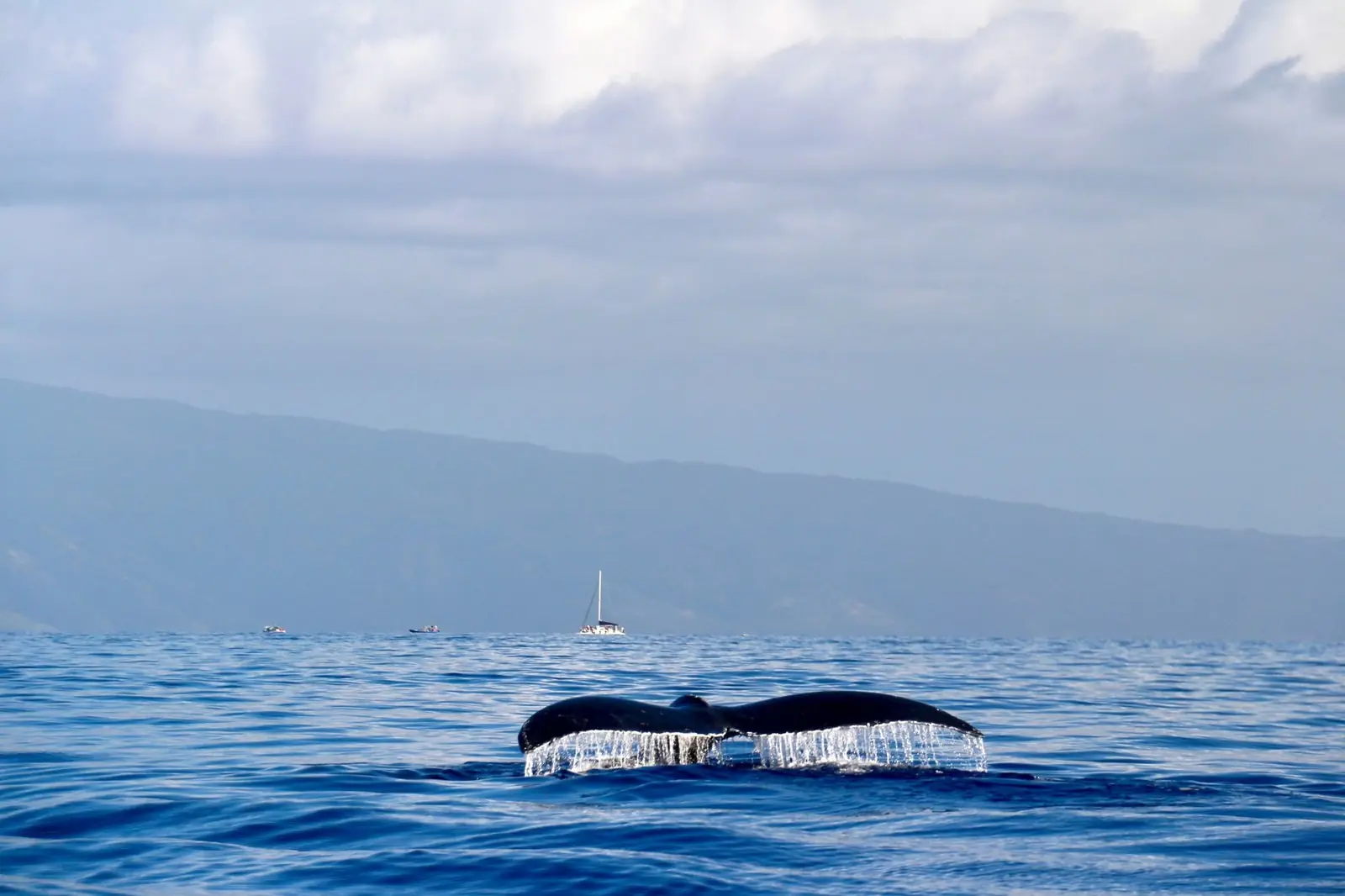
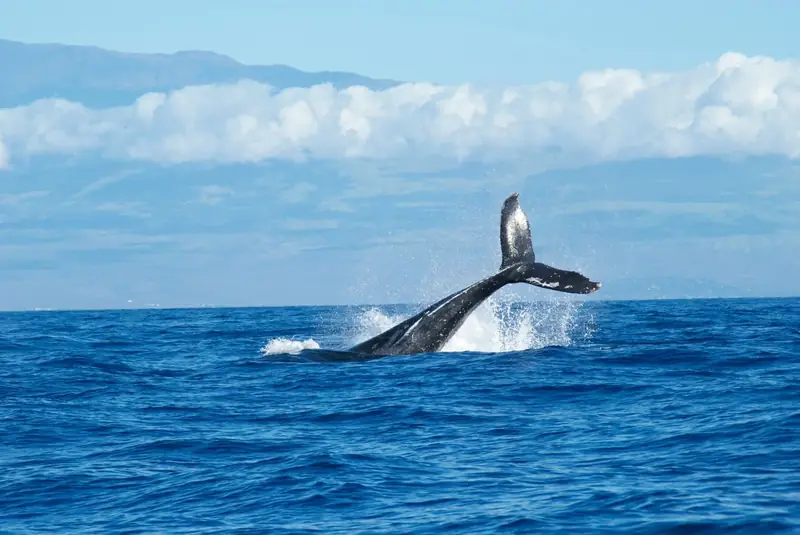
- Tail flukes: the tail rising as a whale dives deep
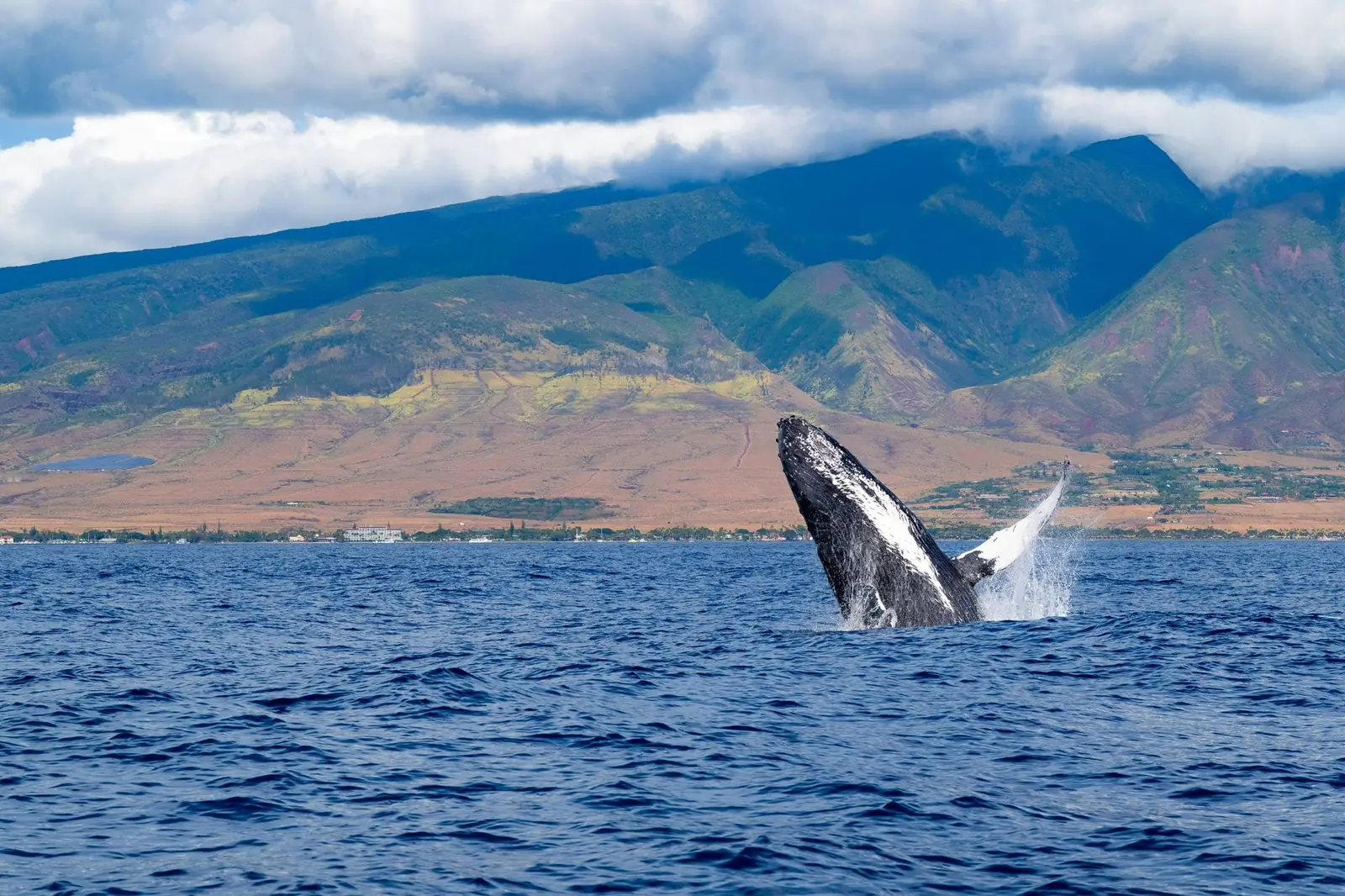
- Breaches: whales leaping clear of the water, most common in the peak months
- Mothers and calves: often close to shore in February and March
- Competition pods: groups of males chasing a female, fast and splashy
How to plan your whale watch
Book early in your trip, so you have a backup day if the wind picks up. Choose the harbor closest to where you are staying, then pick the boat that suits your group. Our raft vs catamaran guide explains the options, and you can compare every tour on one page.
Respecting the whales
Humpbacks in Hawaiʻi are protected, and every boat, kayak and paddleboard must stay at least 100 yards away. Good operators follow these rules carefully. If a whale chooses to come closer to the boat, the crew will stop and let it pass. It is one of the most special moments you can have on the water.